

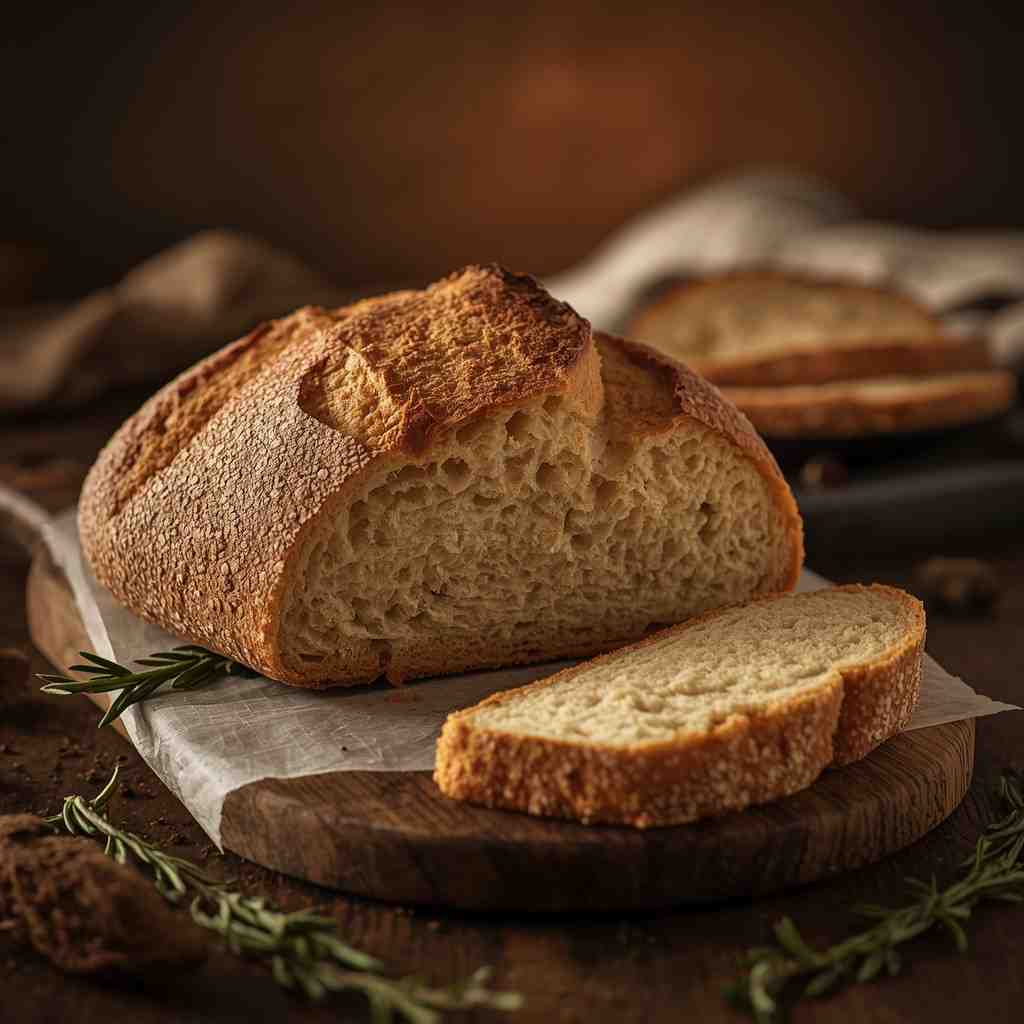
Sourdough bread is one of the oldest and most treasured bread-making traditions in the world. Known for its naturally developed flavor, signature airy crumb, and crisp golden crust, sourdough stands apart from standard yeast bread because it relies on a fermented starter rather than commercial yeast.
This slow fermentation process creates depth of flavor, improves digestibility, and results in a beautiful balance of tanginess and hearty grain character. Making sourdough bread at home feels almost magical—the transformation from flour and water into a fragrant, crusty loaf is deeply rewarding.
Why I Love This Recipe
I love this sourdough bread recipe because it is both rustic and refined. It captures the essence of traditional European baking—slow, intentional, and deeply flavorful. The dough is simple, but patience and technique turn it into something extraordinary.
Each time I make this bread, I appreciate how flexible and forgiving it is. The long fermentation makes the bread flavorful, nutritious, and easier to digest, and the crispy crust provides a satisfying texture contrast to the tender interior.
Why It’s a Must-Try Dish
This sourdough bread is a must-try because it:
- Has a naturally tangy, complex flavor that cannot be imitated by commercial yeast.
- Produces a bakery-quality crispy crust at home.
- Uses only three key ingredients: flour, water, and salt.
- Is healthier, more digestible, and stays fresh longer than store-bought bread.
- Offers a hands-on, rewarding baking experience.
Whether you are new to sourdough or expanding your bread-making skills, this recipe will quickly become a favorite.
Recipe Details
- Course: Bread
- Cuisine: European / Artisan Bakery
- Preparation Time: 25 minutes active time
- Fermentation & Rest Time: 12–18 hours
- Cooking Time: 30–40 minutes
- Total Time: Approximately 15–20 hours
- Servings: 12–14 slices
- Calories: Approximately 150 calories per slice (varies by thickness)
Ingredients
- 500 g (4 cups) bread flour (or half all-purpose, half bread flour)
- 100 g sourdough starter (active and bubbly)
- 350 g water (room temperature)
- 10 g sea salt (about 2 tsp)
- Optional: 10–15 g olive oil or honey (for softer crumb flavor)
Cooking Directions Overview
- Mix flour and water (autolyse).
- Add starter and salt, then knead or fold.
- Bulk ferment (slow rise).
- Shape into a loaf.
- Proof in the refrigerator overnight.
- Bake in a hot Dutch oven for best texture.
Step-by-Step Preparation Method
Step 1: Autolyse
- Mix flour and water until just combined.
- Cover and rest for 30–60 minutes (this improves hydration and gluten formation).
Step 2: Add Starter and Salt
- Add active sourdough starter and salt to the dough.
- Mix by hand until fully incorporated.
Step 3: Stretch and Fold
- Over the next 2 hours, perform 4 sets of stretch-and-folds every 30 minutes:
- Lift one side of the dough, stretch upward, and fold over the center.
- Rotate the bowl and repeat 3–4 times.
Step 4: Bulk Fermentation
- Cover dough and let rise at room temperature for 4–6 hours, until puffy and increased in volume by about 60–80%.
Step 5: Shape the Dough
- Turn dough out onto a lightly floured surface.
- Shape into a round boule or oval loaf using surface tension pulls.
Step 6: Final Proof
- Place dough seam-side up in a floured basket or bowl lined with a towel.
- Cover and refrigerate for 8–12 hours (cold proofing improves structure and crust).
Step 7: Bake
- Preheat oven to 230°C (450°F) with a Dutch oven inside.
- Carefully place dough inside, score the top with a sharp knife.
- Bake covered for 20–25 minutes, then uncovered for 10–15 minutes until golden and crisp.
Step 8: Cool
- Cool completely for at least 1 hour before slicing.
How to Serve
Serve sourdough bread:
- With salted butter or olive oil
- As a base for avocado toast
- With cheese, charcuterie, jam, or honey
- Alongside hearty stews or soups
- Grilled for sandwiches or bruschetta
Fresh sourdough is best the first day, toasted the next, and incredible as croutons or breadcrumbs later.
Recipe Tips
- Ensure your starter is active and bubbly before using.
- Wet hands while handling the dough to prevent sticking.
- A cold final proof improves oven spring and crust texture.
- Scoring helps control expansion and gives a signature artisan look.
Variations
- Whole Wheat Sourdough: Replace up to 50% flour with whole wheat for nuttier taste.
- Seeded Sourdough: Add sesame, poppy, flax, or sunflower seeds.
- Herb Sourdough: Mix in rosemary, thyme, garlic, or dried herbs.
- Olive Sourdough: Add chopped olives or dried tomatoes for Mediterranean flavor.
Freezing and Storage
- Room Temperature: Store wrapped in a towel or paper bag for 2–3 days.
- Refrigerator: Avoid storing refrigerated as it dries out faster.
- Freezer: Freeze sliced or whole for up to 3 months in airtight packaging.
Special Equipment Needed
- Dutch oven or cast-iron pot (strongly recommended)
- Banneton or bowl for shaping
- Sharp scoring blade or lame
- Kitchen scale (for best accuracy)
Conclusion
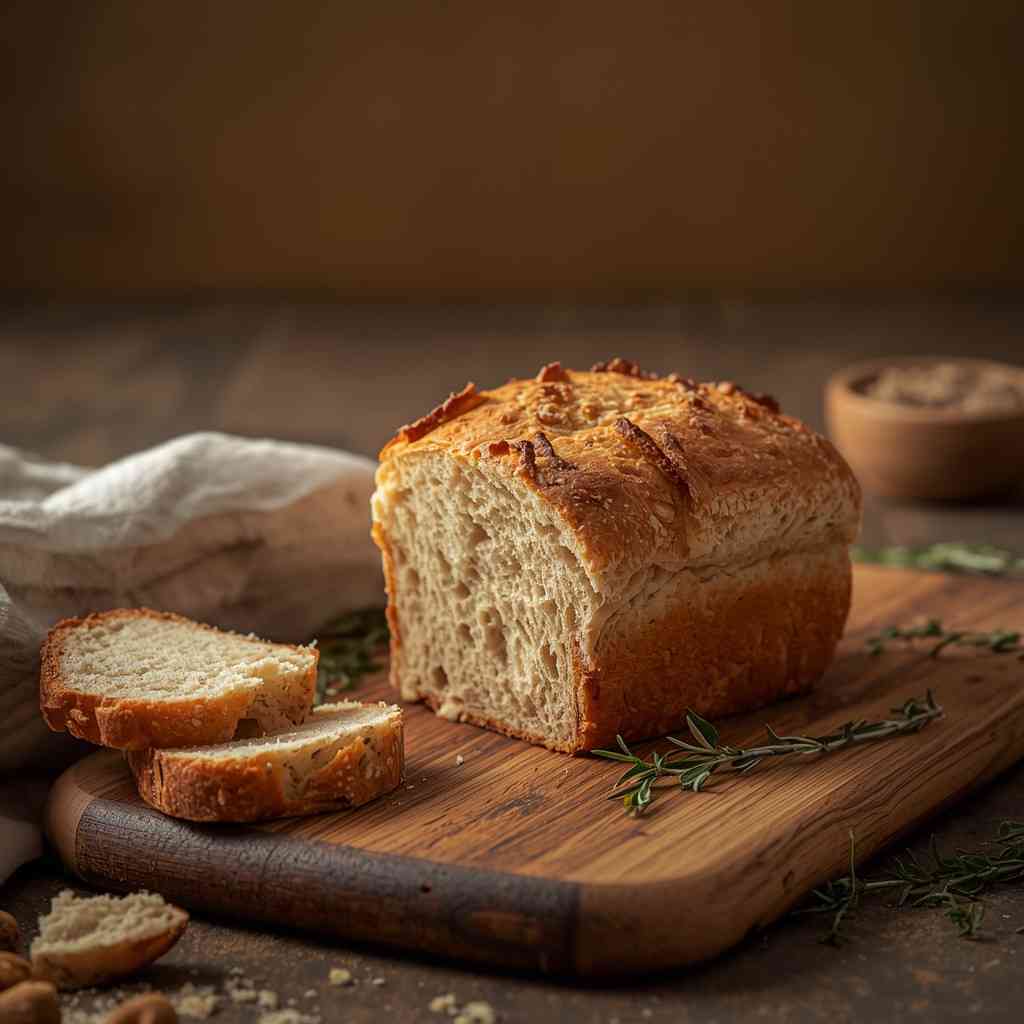
Sourdough Bread with a Crispy Crust is a timeless recipe that highlights patience, craftsmanship, and simplicity. With just a few core ingredients and a slow fermentation process, you can create a loaf with exceptional flavor, artisan texture, and remarkable versatility. Whether you’re new to sourdough or already an enthusiast, this recipe brings the rustic beauty of traditional bread baking into your home—one crunchy bite at a time.

Sourdough Bread with Crispy Crust
Description
Sourdough bread is one of the oldest and most treasured bread-making traditions in the world. Known for its naturally developed flavor, signature airy crumb, and crisp golden crust, sourdough stands apart from standard yeast bread because it relies on a fermented starter rather than commercial yeast.
Ingredients
Instructions
-
Step 1: Autolyse : Mix flour and water until just combined. Cover and rest for 30–60 minutes (this improves hydration and gluten formation).
-
Step 2: Add Starter and Salt : Add active sourdough starter and salt to the dough. Mix by hand until fully incorporated.
-
Step 3: Stretch and Fold : Over the next 2 hours, perform 4 sets of stretch-and-folds every 30 minutes: Lift one side of the dough, stretch upward, and fold over the center. Rotate the bowl and repeat 3–4 times.
-
Step 4: Bulk Fermentation : Cover dough and let rise at room temperature for 4–6 hours, until puffy and increased in volume by about 60–80%.
-
Step 5: Shape the Dough : Turn dough out onto a lightly floured surface. Shape into a round boule or oval loaf using surface tension pulls.
-
Step 6: Final Proof : Place dough seam-side up in a floured basket or bowl lined with a towel. Cover and refrigerate for 8–12 hours (cold proofing improves structure and crust).
-
Step 7: Bake : Preheat oven to 230°C (450°F) with a Dutch oven inside. Carefully place dough inside, score the top with a sharp knife. Bake covered for 20–25 minutes, then uncovered for 10–15 minutes until golden and crisp.
-
Step 8: Cool : Cool completely for at least 1 hour before slicing.